Nearby sightseeing
Ohori Park
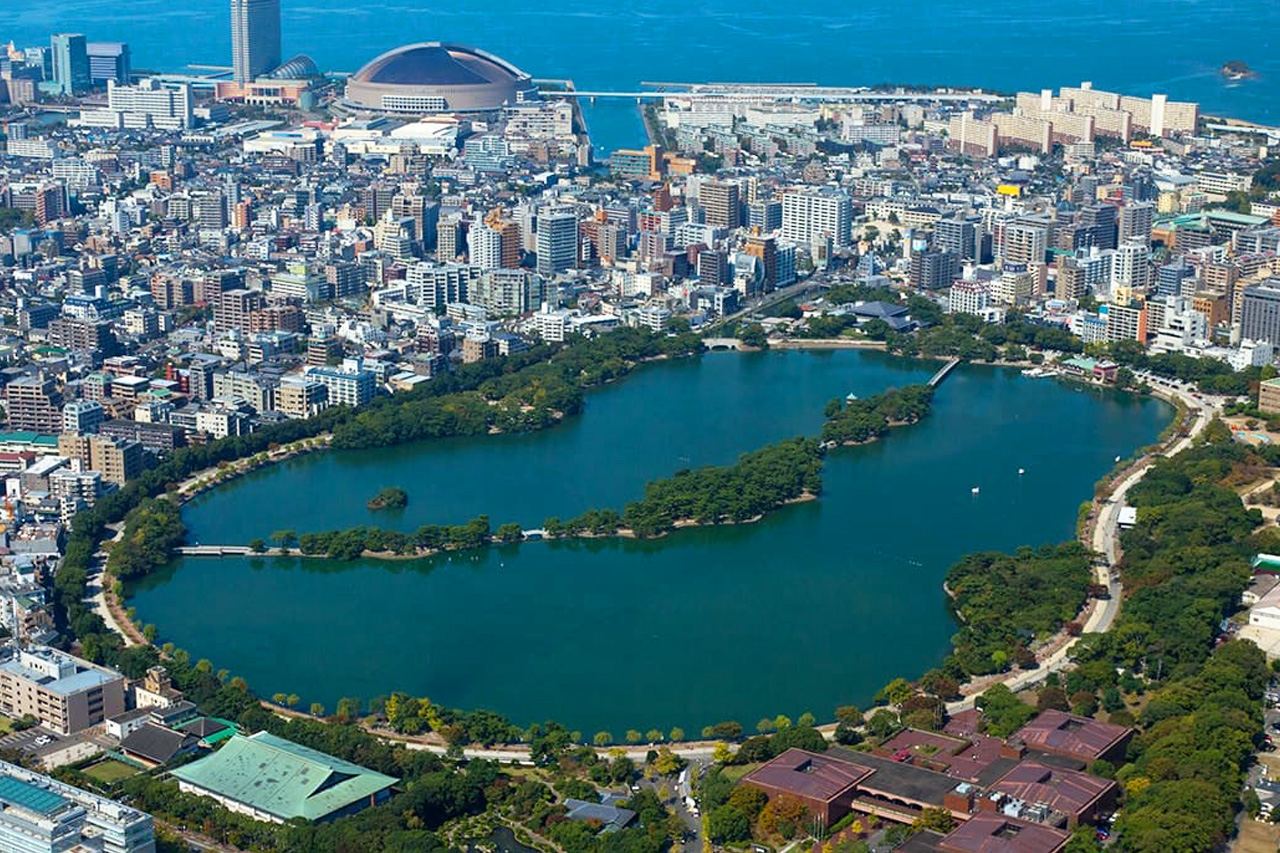
Panoramic view
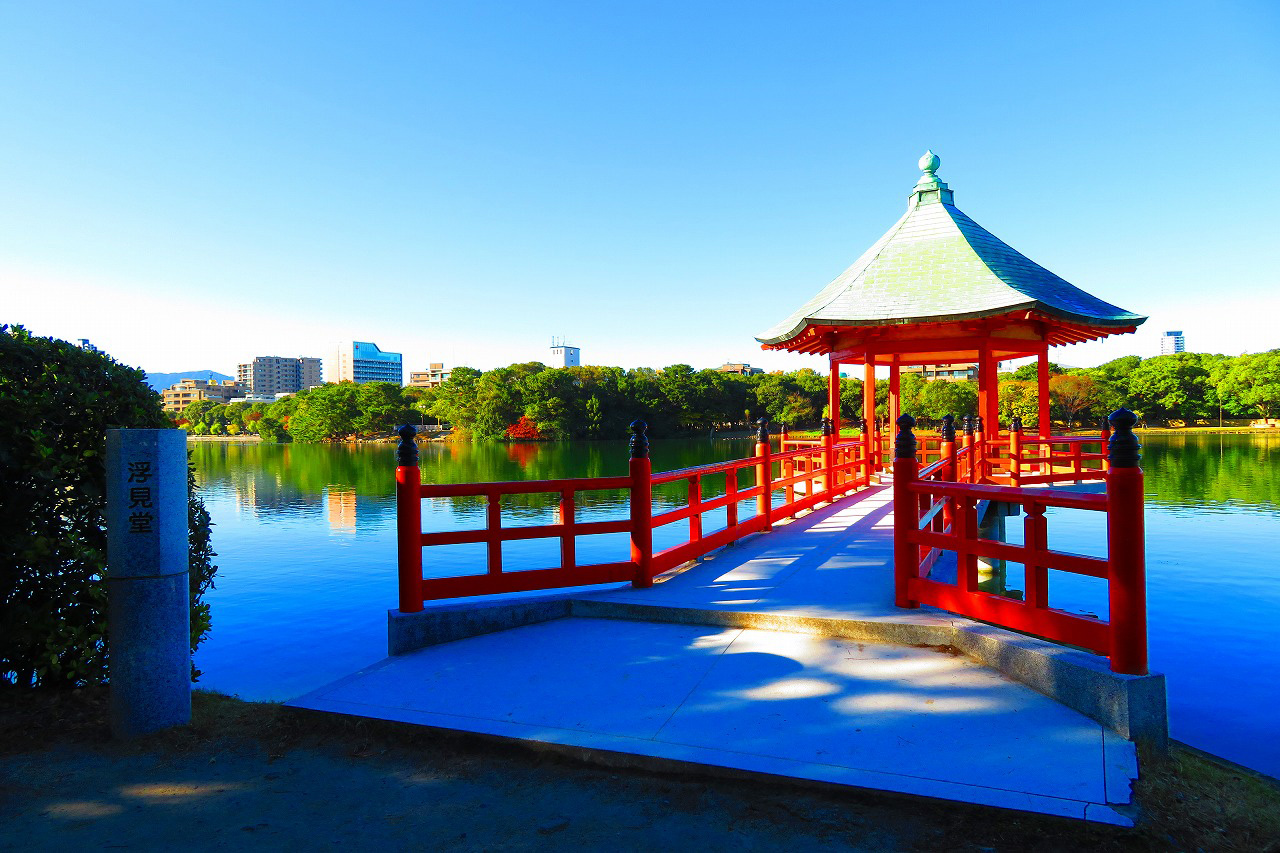
Ukimido Hall of Nakanoshima
When Kuroda Nagamasa built Fukuoka Castle during the Keicho era, this land, which was an inlet of Hakata Bay, was used as an outer moat, and landscaping work was carried out on the occasion of the East Asia Industrial Exposition held here in 1927, and it was opened as the prefectural Ohori Park in 1929. Ohori Park is located almost in the center of Fukuoka City, and with a total area of approximately 398,000 square meters, of which 226,000 square meters is a pond, it is one of the leading waterscape parks in the country. Within the park, there is a 2-kilometer circular path around the pond, a wild bird forest, a children’s playground, a Noh theater, a Japanese garden, an island connected by four bridges, a floating pavilion, a boathouse, and more, and it is used for rest, entertainment, and physical education.
Fukuoka Zoo and Botanical Gardens
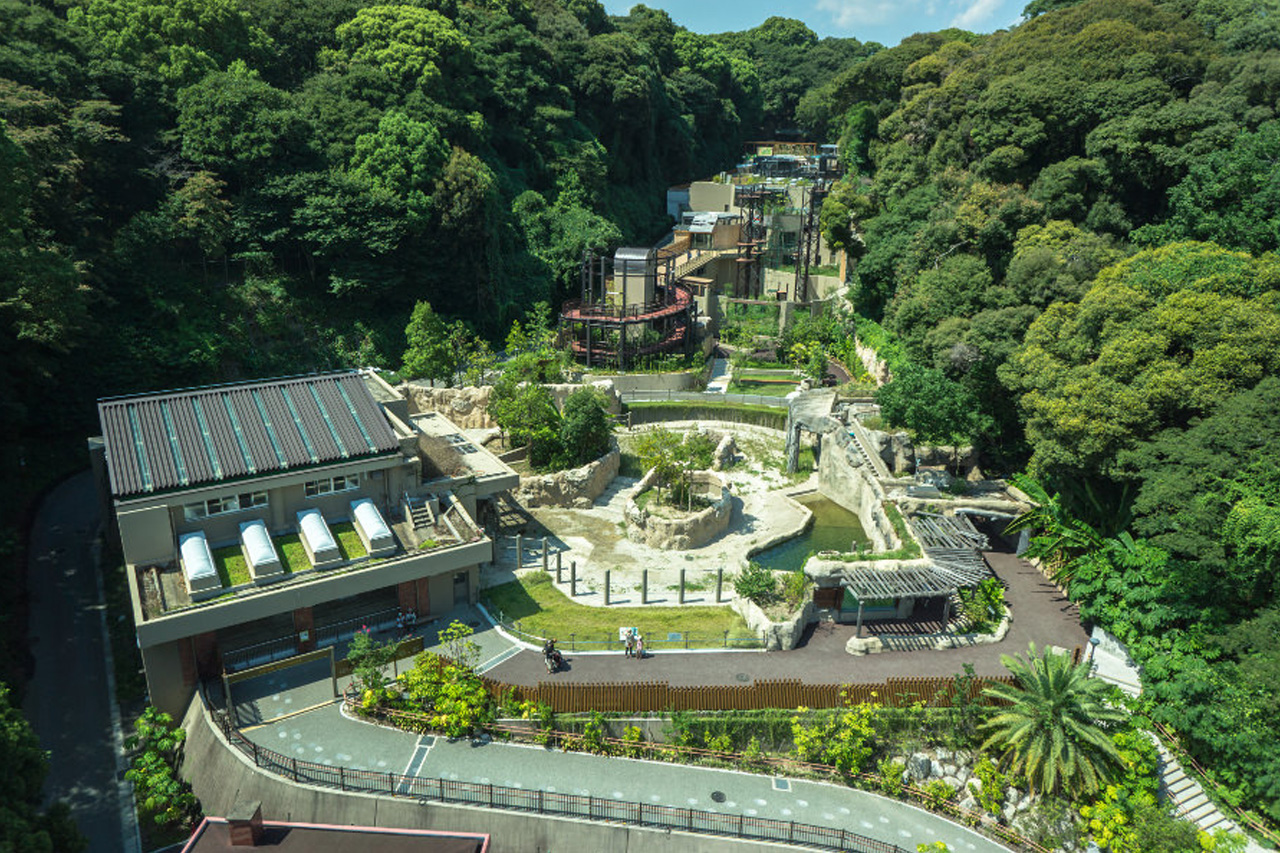
Panoramic view<

Red Panda
The predecessor of Fukuoka City Zoo was established in 1933 (Showa 8) as the “Fukuoka City Zoological and Botanical Gardens Commemorating the Enthronement of Emperor Showa.” During the war, like other zoos in Japan, it was closed, but after the war in 1953 (Showa 28), a new zoo was opened in its current location, where it remains to this day. 2013 marked the 60th anniversary of its opening.
Maizuru Park
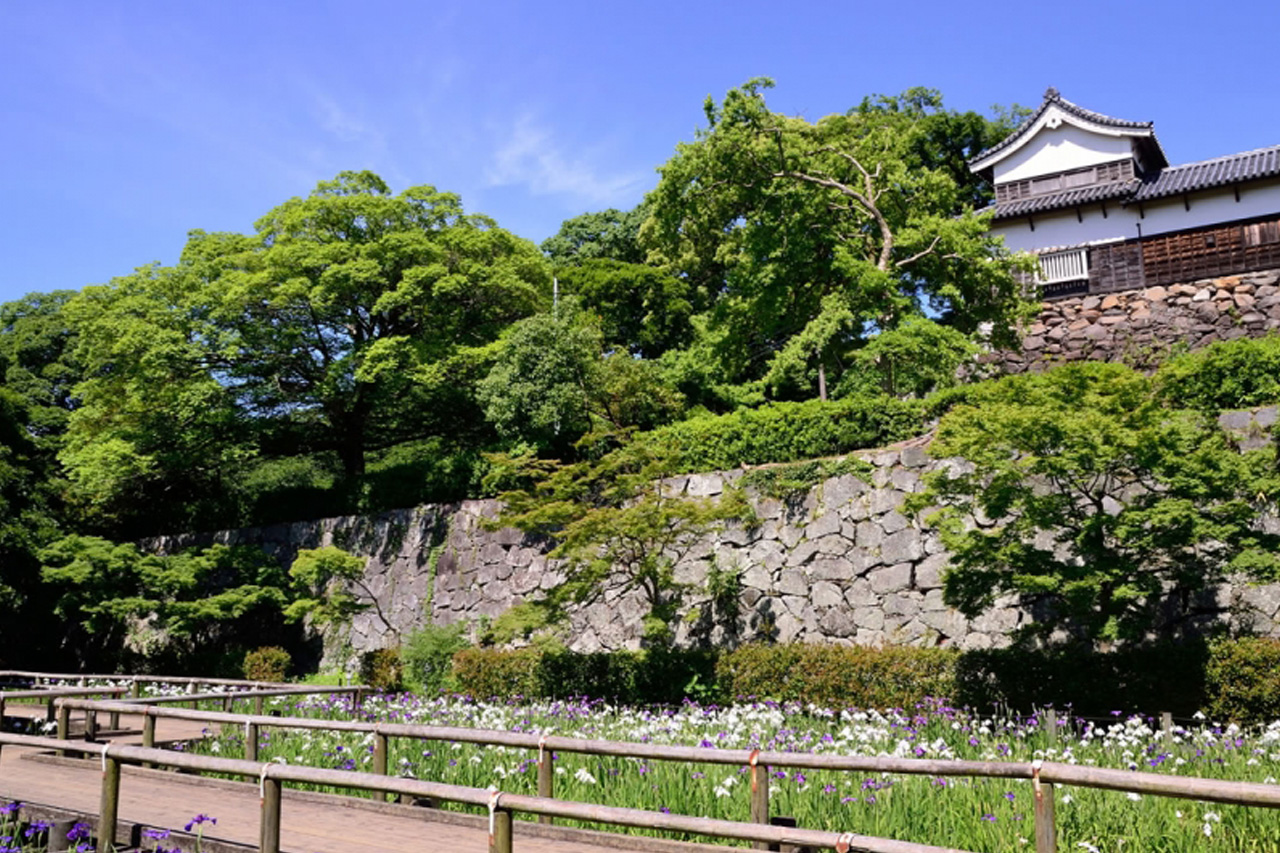
Maizuru Park
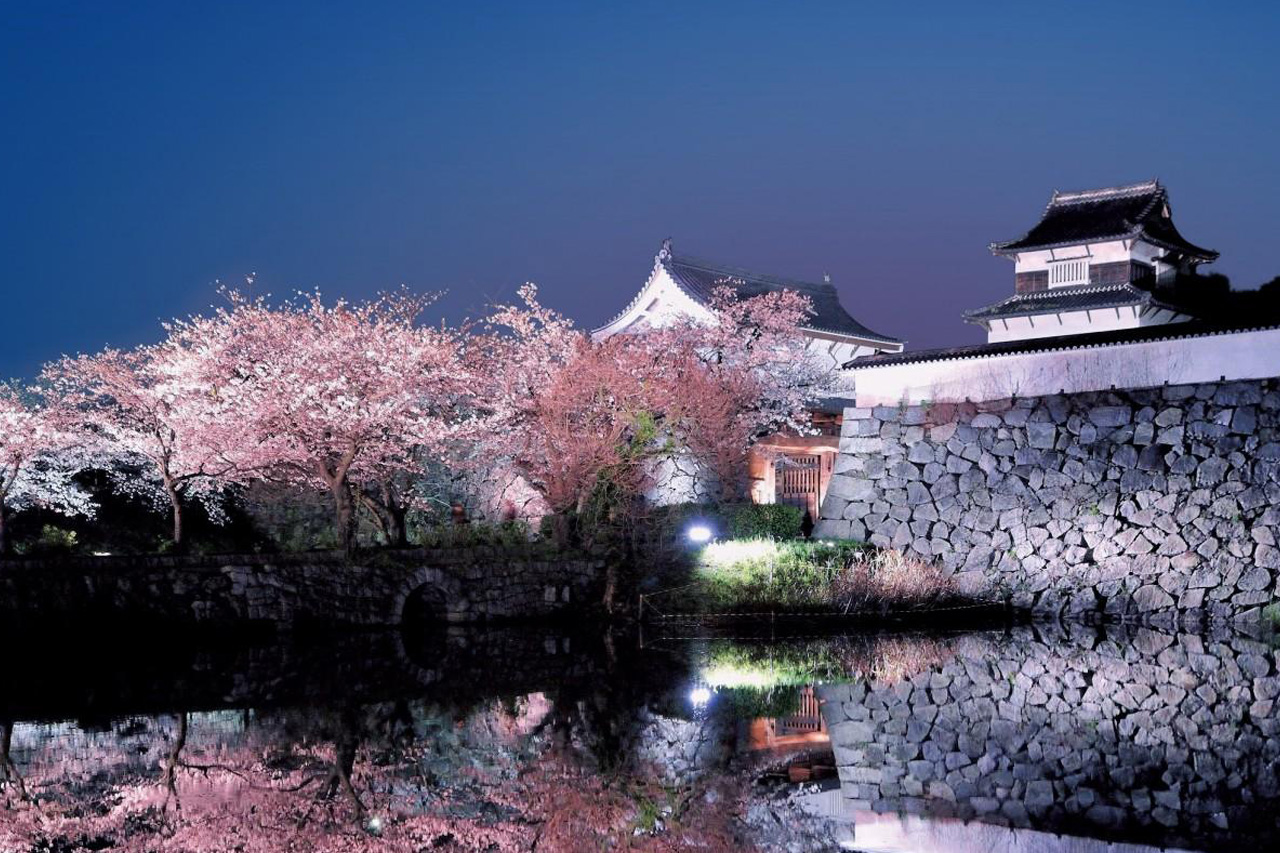
Cherry blossoms at Maizuru Park
Maizuru Park is a park located in the Chuo Ward of Fukuoka City, Fukuoka Prefecture, centered on the site of the Honmaru citadel of Fukuoka Castle. It is located adjacent to the eastern part of Ohori Park in the center of Fukuoka City, and is a place of relaxation for the citizens. Approximately 500 cherry trees are planted on the castle site, and every spring it is crowded with many cherry blossom viewers.
Around Ropponmatsu Station

Ropponmatsu Station
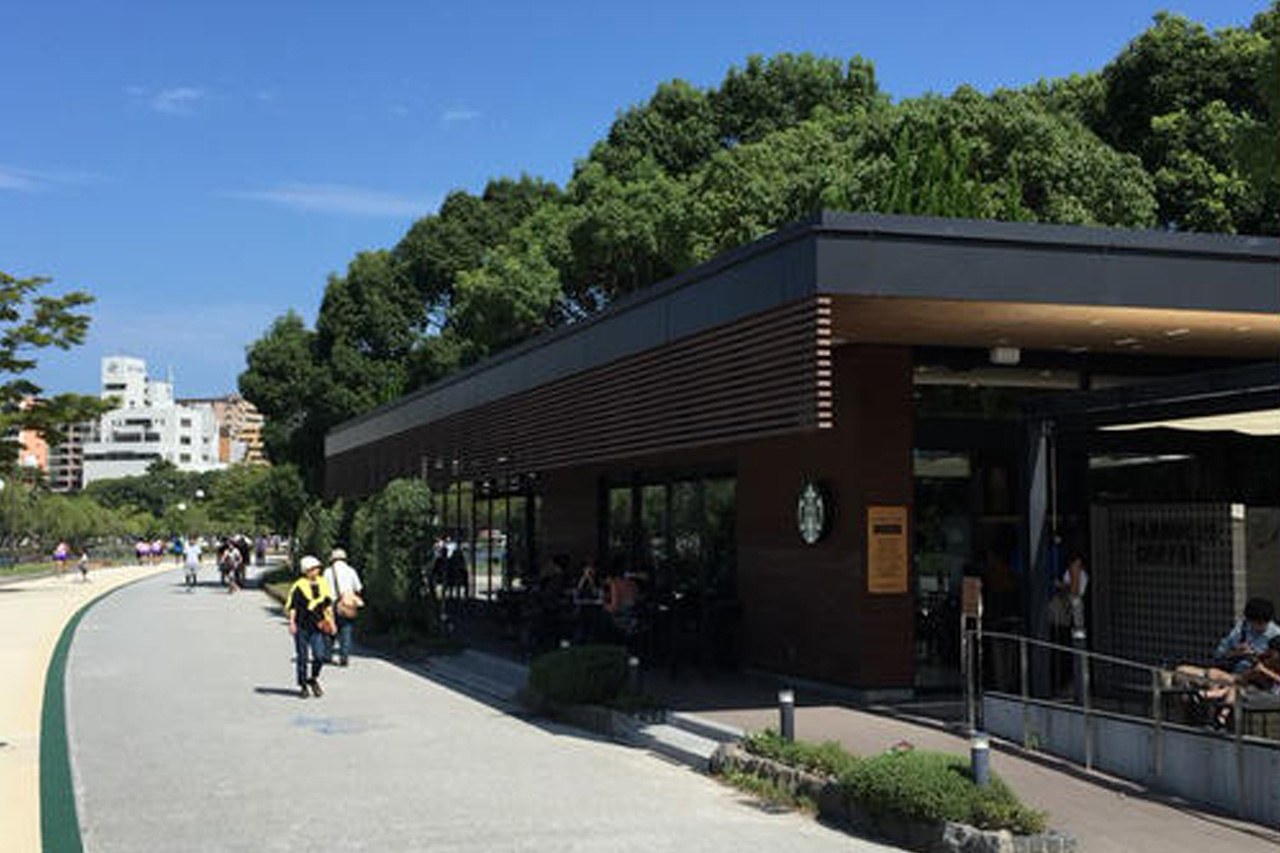
Around Ropponmatsu Station
Ropponmatsu Station is a station on the Fukuoka City Nanakuma Line located in Ropponmatsu, Chuo-ku, Fukuoka City. The station’s symbol is a lush pine tree, which has long been a landmark for the area. The main access points are Hakata Station, about 25 minutes, and Kokura Station, about 51 minutes. Fukuoka University Ohori Junior and Senior High School is located to the north of the station, and the station is often used by students. It is also the nearest station to the Fukuoka High Court and its new building. When you exit Exit 3, you will notice the brick-colored and white lattice-patterned building, Ropponmatsu 421. This is a complex building centered around a science museum with one of the largest planetariums in Kyushu.
Fukuoka City Science Museum
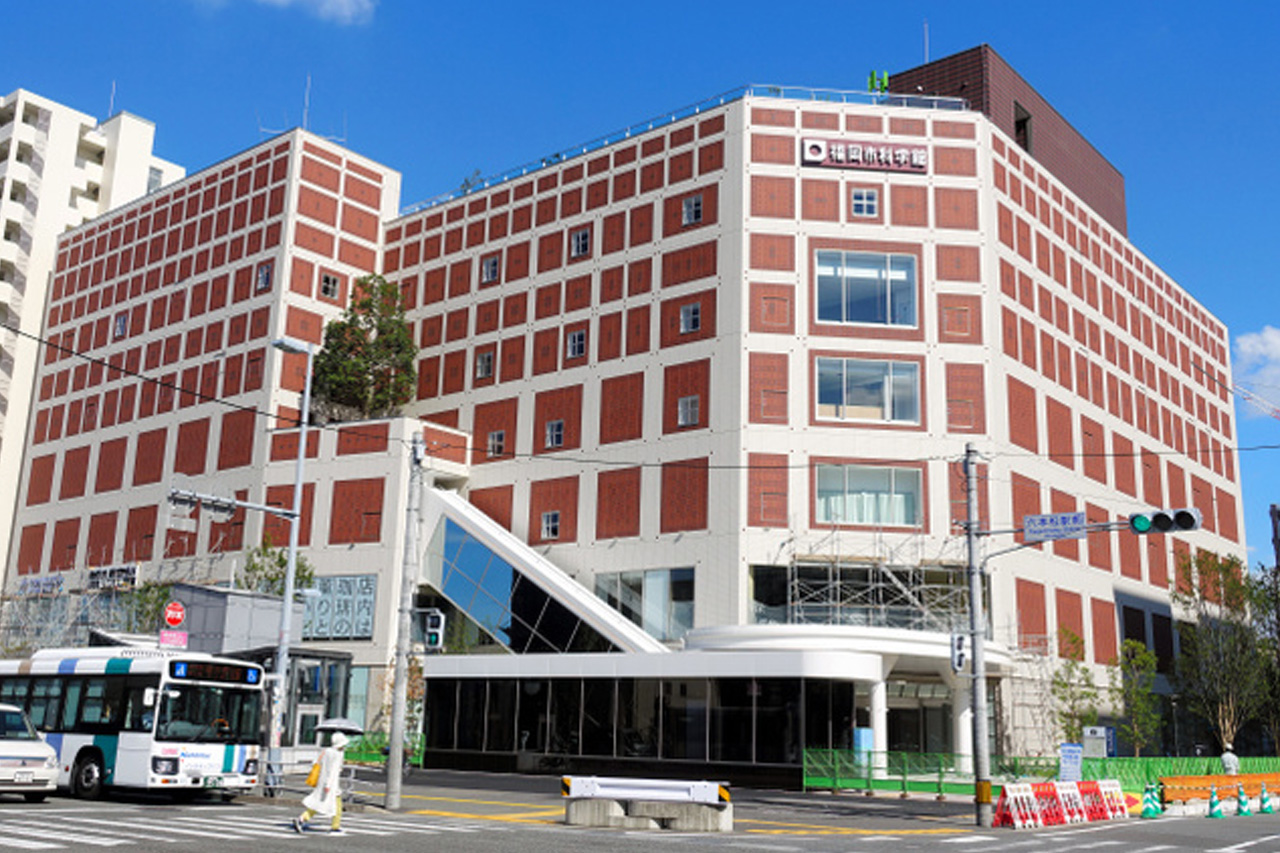
Exterior
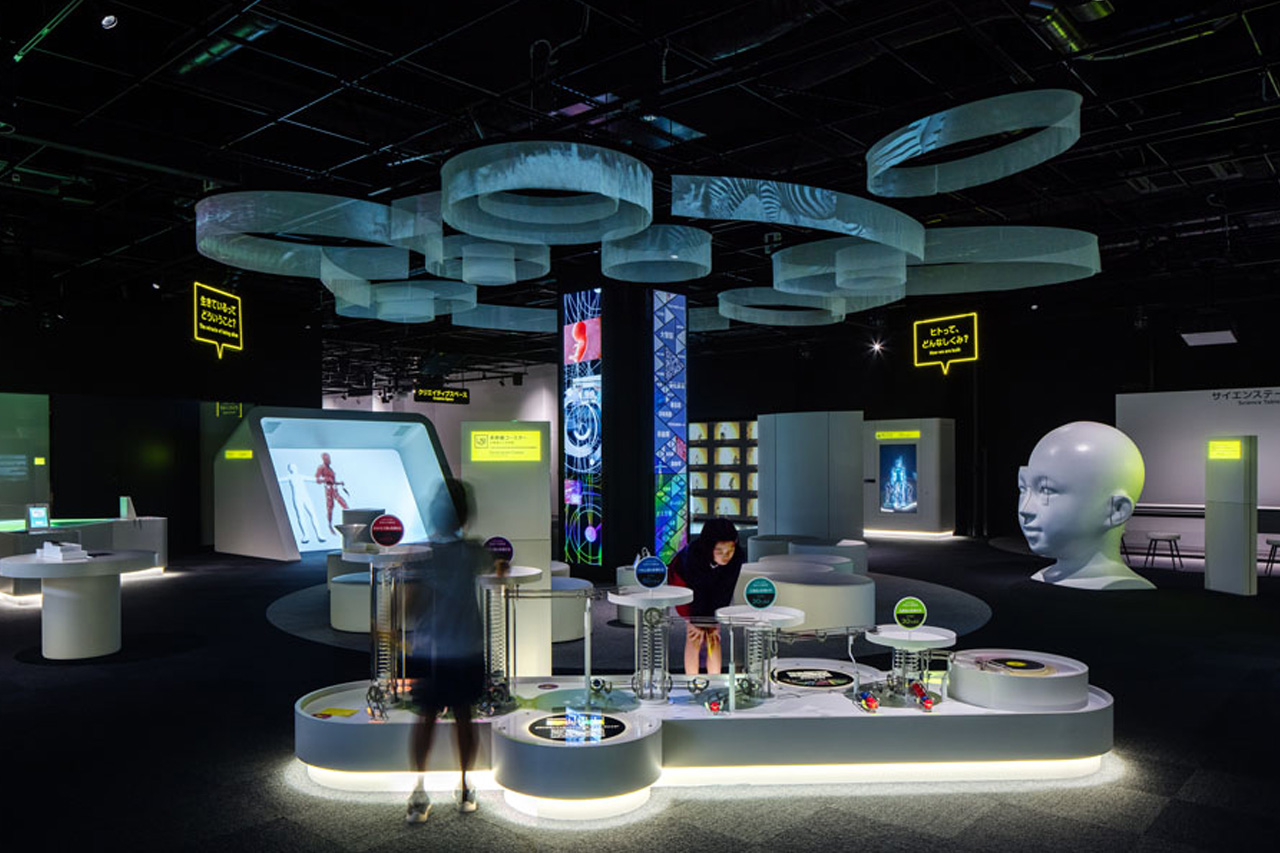
Basic exhibition room
The Fukuoka City Science Museum is based on the concept of “a science museum where people grow and design the future” and is made up of four floors. In addition to a large one-floor basic exhibition room, a special exhibition room, laboratories, a library, etc., the top floor is equipped with a 300-seat multipurpose hall that can also be used for theater performances, and a planetarium that is one of the largest in Kyushu (25m in diameter). Each floor was designed to have a distinctive character such as “exhilaration,” “liberation,” “friendliness,” and “calmness,” and the facility was designed to be flexible enough to accommodate future exhibition content renewals.
Fukuoka Tower
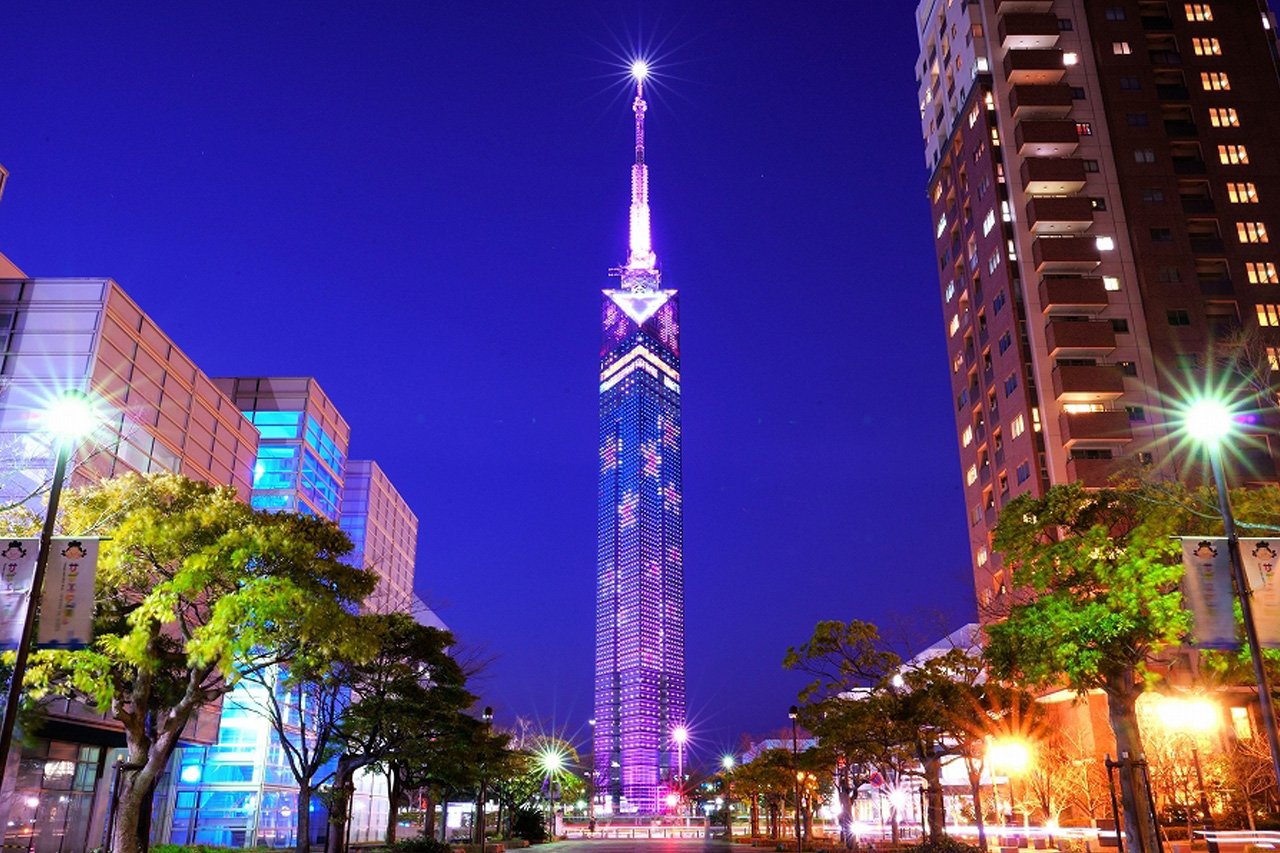
Panoramic view<

3rd floor Sky illumination
Fukuoka Tower is 234 meters long and is the tallest seaside tower in Japan. From the observation deck on the top floor, 123 meters above ground, you can enjoy a 360-degree panoramic view of Fukuoka cityscape and Hakata Bay. To the east are Kyushu’s busiest shopping districts, such as Hakata Station and Tenjin, and to the west are the waterfront, including the yacht harbor and seaside park. From the south, you can see the cityscape that won the Asian Cityscape Award and the lush Sefuri Mountains in the distance. Beyond Hakata Bay to the north, you can see the horizon where the sky and sea blend together, and you can enjoy a sense of openness that you can’t experience from the ground.
Nakasu Street and Nakasu Food Stalls

Zhongzhu Street
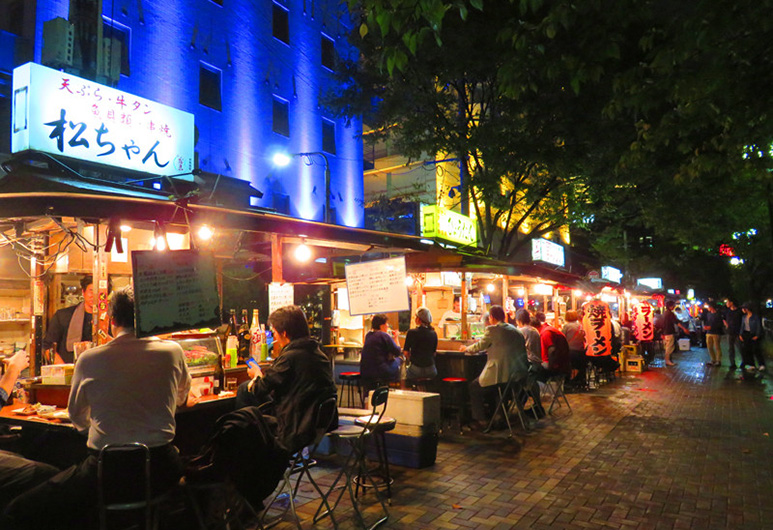
Nakasu food stalls
Nakasu, the most bustling shopping district in western Japan, and the Nakasu Yatai stalls that are an essential part of the nightlife in Fukuoka City, is a long and narrow area about 1 kilometer long and 200 meters wide, surrounded by the Nakagawa River and the Hakatagawa River. It is said that the origins of Nakasu date back to when Kuroda Nagamasa, the first lord of the Fukuoka Domain, built a bridge over the Nakagawa River with piled soil to connect the samurai town of “Fukuoka” and the townspeople town of “Hakata” when he was developing the city of Fukuoka in preparation for the construction of Fukuoka Castle.
Sumiyoshi Shrine
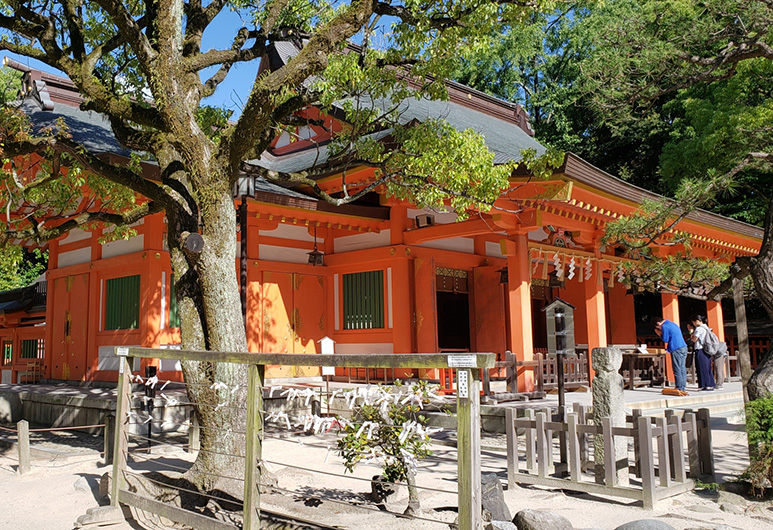
Main Hall of Sumiyoshi Shrine, the First Shrine of Chikuzen Province
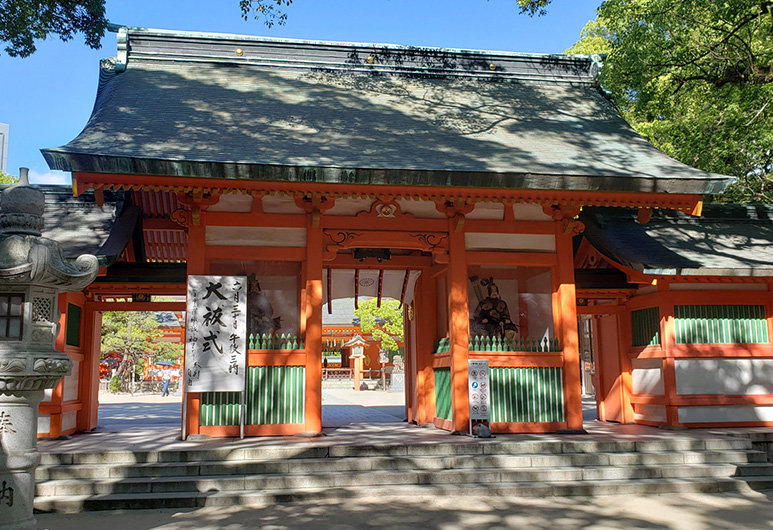
The Shinmon Gate of Sumiyoshi Shrine, the Ichinomiya of Chikuzen Province
It is the ancestor of the 2,300 Sumiyoshi shrines across the country, and is one of the “Three Great Sumiyoshi Shrines” along with Sumiyoshi Taisha Shrine in Osaka and Sumiyoshi Shrine in Shimonoseki.
Dazaifu Tenmangu Shrine
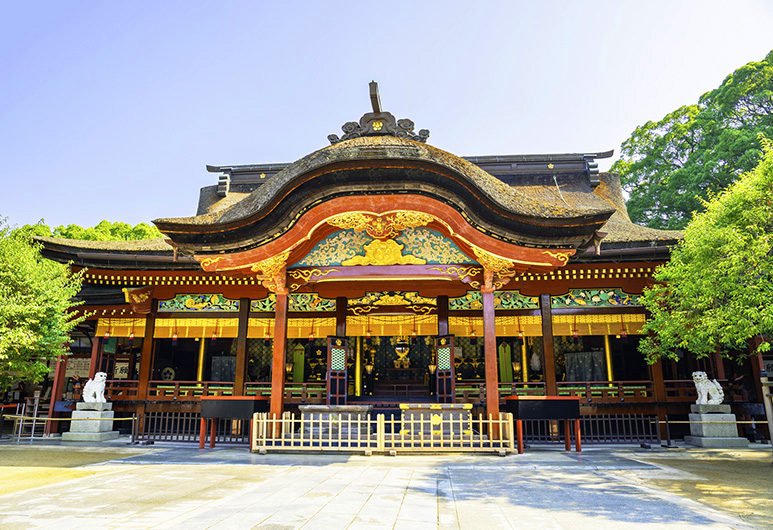
Dazaifu Tenmangu Shrine Main Hall
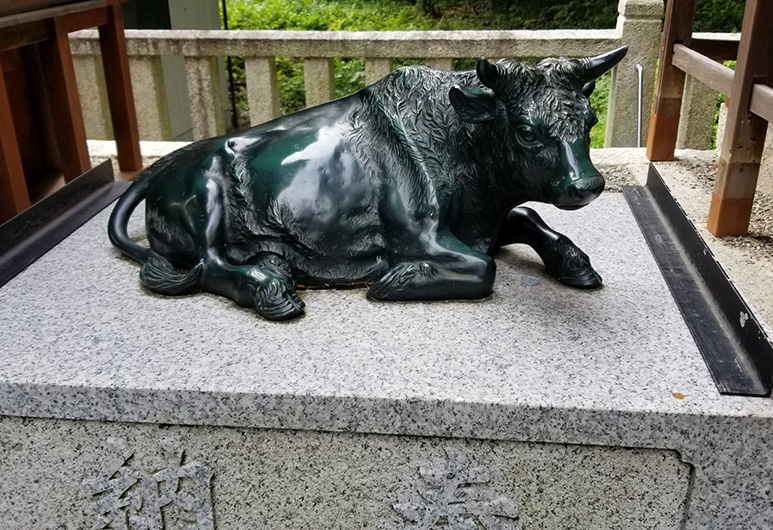
The cows at Tenmangu Shrine
Tenmangu Shrine enshrines Sugawara no Michizane, known as the god of learning. Worshippers come from all over Japan. Umegatani mochi (rice cakes) are famous here.
Hakata Station
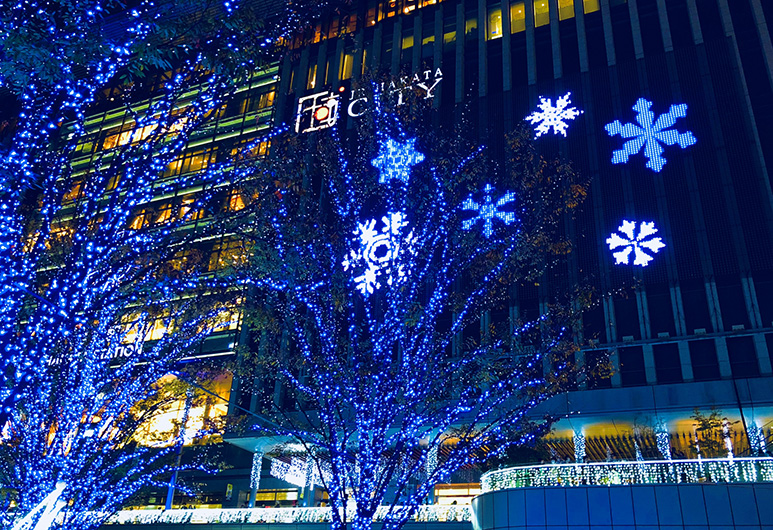
Hakata Station Illumination
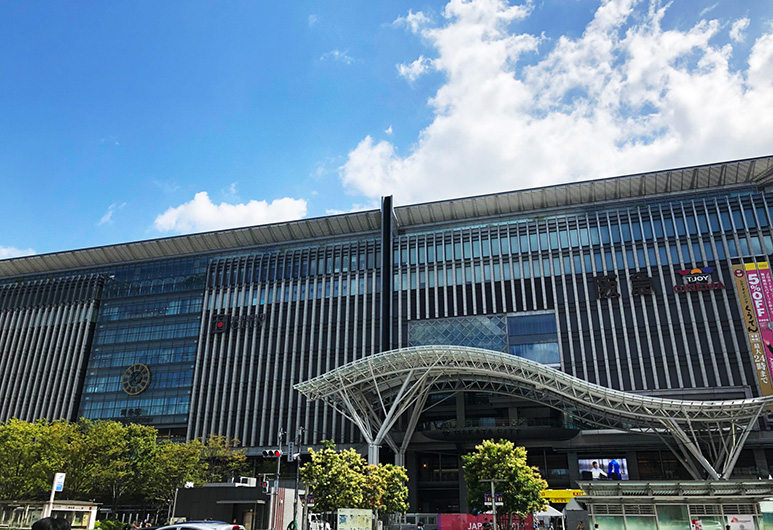
Hakata Station
It is the largest station in Kyushu in terms of size and number of passengers, and is the closest station to the headquarters of Kyushu Railway Company (JR Kyushu) and the company’s largest terminal station. All passenger trains stop at this station, including the Shinkansen and limited express trains connecting major cities in Kyushu, as well as many lines that run through the Fukuoka metropolitan area.